



Colovesical fistula
When diverticulitis reaches the bladder
A colovesical fistula is a small channel between the colon and the bladder. It is one of the more common complications of diverticulitis, and it is very treatable with planned surgery.


Dr. Nasseri & Dr. BarnajianColorectal surgeons who repair fistulas at Cedars-Sinai
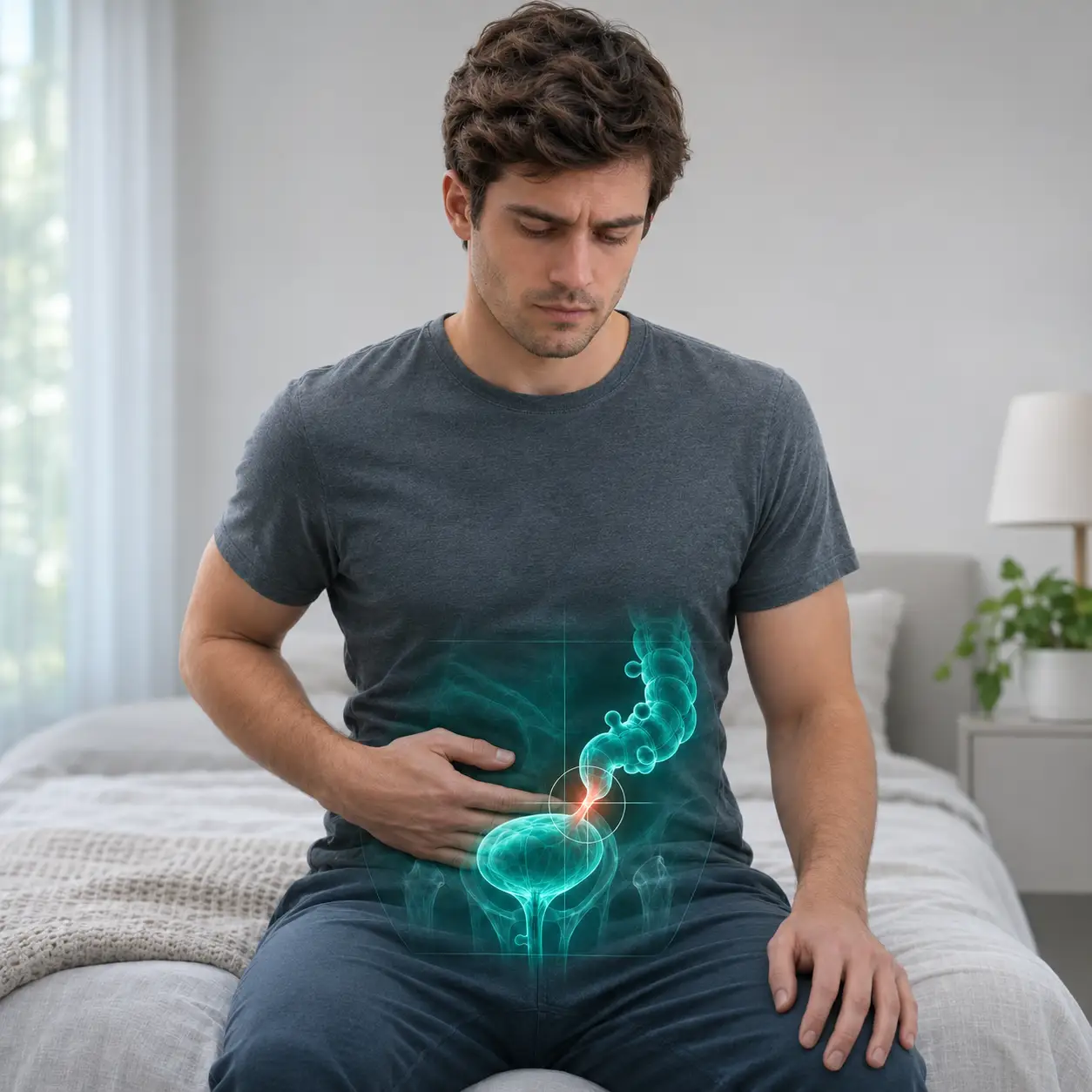
The first clue is often in the bathroom, not in your belly.
The signs usually show up when you urinate
Belly pain can be mild or missing altogether, which is why a fistula is often treated as a string of bladder infections at first.
Air or bubbles in your urine
Pneumaturia
The stream can look fizzy, or you may notice air passing at the end of urinating. Many people mention this first.
Urine that smells like stool
Fecaluria
A strong, unusual odor, or small specks of debris in the toilet, can mean material from the colon is reaching the bladder.
UTIs that keep coming back
Recurrent infection
Infections that clear with antibiotics and return within weeks, sometimes with more than one type of bacteria in the urine test.
Burning and urgency that never fully settle
Bladder irritation
Frequent trips to the bathroom and discomfort that improve on treatment, then drift back.
Noticed two or more of these? A one minute self-check shows whether it is time to see a surgeon.
Take the self-checkThe air bubbles in urine and recurrent UTI guides go into each sign in more detail.
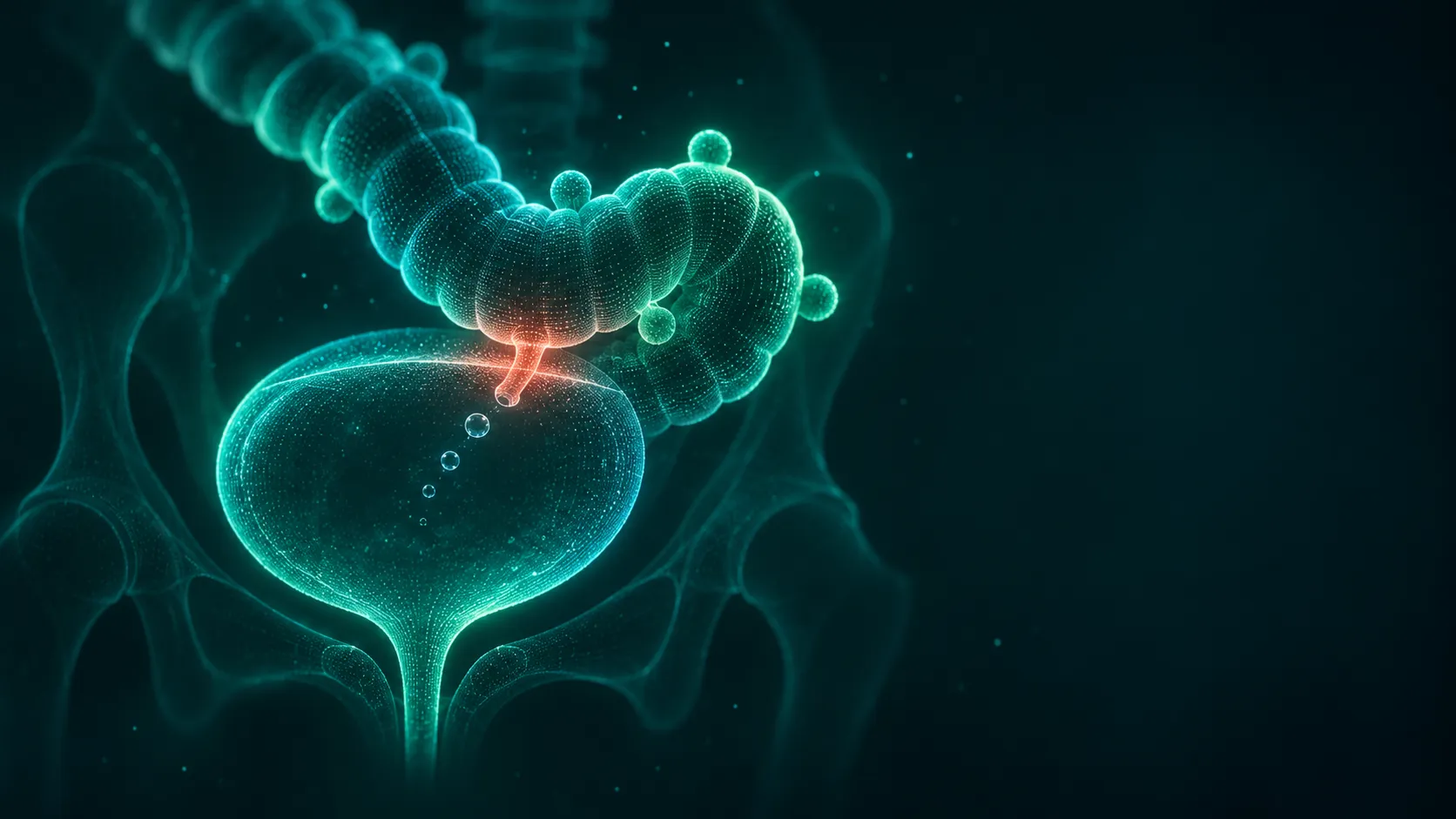
How diverticulitis creates a fistula
- 1
An inflamed pouch sits next to the bladder
The sigmoid colon, where most diverticulitis happens, lies right on top of the bladder.
- 2
Inflammation sticks the two together
Repeated or smoldering attacks, sometimes with a small abscess, can glue the colon wall to the bladder and wear through it.
- 3
A small channel opens between them
Gas and bacteria from the colon pass into the bladder. That is why the symptoms show up when you urinate.
Who gets one, and why it matters to check
Diverticulitis is the most common cause of a colovesical fistula. It is seen more often in men, because in women the uterus usually sits between the colon and the bladder. Women who have had a hysterectomy can develop one too.
Less often, a fistula comes from Crohn's disease or a tumor. That is one reason a proper workup matters before any surgery is planned, rather than treating each infection as it comes.
How it is confirmed
A CT scan does most of the work, with a camera test of the bladder or colon when needed. If you have had scans or urine tests already, bring them. They can save time and repeat imaging.
- 1
Your first visit
Your surgeon goes through your history and any scans or urine results you already have.
- 2
CT scanThe key test
Usually the most useful test. It can show air inside the bladder and the inflamed colon pressed against it.
- 3
Cystoscopy
A thin camera in the bladder lets a urologist look at the inside wall where the opening may be.
- 4
Colonoscopy
Checks the rest of the colon and rules out other causes before surgery is planned.
A plan for your repair
You leave knowing what surgery would involve, and you choose the timing.
Antibiotics treat the infection. Surgery closes the fistula.
Because the channel rarely closes by itself, most people are offered an operation once the infection has calmed down. Doing it as a planned surgery, rather than during a flare, is usually simpler and safer.
Why planned surgery mattersThe diseased section of colon is removed
Usually the sigmoid colon, where the inflamed pouches are. The healthy ends are joined back together.
The bladder is separated and repaired
The small opening in the bladder wall is closed. A urinary catheter stays in for a short time while it heals.
Most often done robotically
Small incisions and a precise robotic system, when it suits your case. How robotic colectomy works.
The surgeons who would plan your fistula repair
You see Dr. Nasseri or Dr. Barnajian from the first visit, not a general clinic. They review your scans, arrange any tests that are missing and explain what a repair would involve for you. Visits and surgery are both on the Cedars-Sinai campus in Los Angeles.

Dr. Yosef Nasseri
MD, FACS, FASCRS · Colorectal surgeon
Dr. Nasseri has long pointed out that many people with a colovesical fistula are first treated for one bladder infection after another before anyone finds the cause.
- Cleveland Clinic fellowship
- Board certified colorectal
- Cedars-Sinai residency

Dr. Moshe Barnajian
MD, FACS, FASCRS · Colorectal surgeon
Also board certified in complex surgical oncology, which helps when a fistula needs to be told apart from a tumor before surgery is planned.
- Stony Brook fellowship
- Board certified colorectal
- Cedars-Sinai chief resident
Questions about colovesical fistula
Related: colovaginal fistula, diverticular abscess, air in your urine, explained by Dr. Nasseri.
Can a colovesical fistula heal on its own?
It is uncommon. Antibiotics can calm the infection, but the channel between the colon and bladder usually stays open, so symptoms tend to return. Surgery is the standard treatment for most people who are healthy enough for it.
Is a colovesical fistula an emergency?
Usually not. Most people can have tests and a planned operation over a few weeks. Severe pain, high fever, vomiting or not being able to pass urine are reasons to go to an emergency room right away.
Will I need a colostomy?
Most planned operations for a colovesical fistula reconnect the colon in the same surgery, so a bag is not needed. A temporary colostomy is sometimes used when there is a lot of infection. Your surgeon will discuss your specific situation.
How long is recovery after fistula surgery?
Many people go home within a few days. A urinary catheter may stay in for a short time while the bladder repair heals. Your surgeon will give you a timeline for driving, desk work and lifting based on your case.
Why are men more likely to get one?
In women the uterus usually sits between the colon and the bladder and acts as a barrier. Women who have had a hysterectomy lose that barrier, so they can develop one too.
This page is general information, not a diagnosis. Severe pain, high fever, vomiting or being unable to pass urine needs urgent care.
Related reading
- Symptom
Air bubbles in urine
What pneumaturia can mean and what to write down. - Symptom
UTIs that keep coming back
Patterns that can point to the colon. - Article
What is a colovesical fistula?
Patient questions, answered one by one. - Complication
Colovaginal fistula
Gas or stool from the vagina, often after a hysterectomy.
Bring your scans. Leave with a plan.
Bring your CT scan, urine results and a list of past infections. We will look at whether a colovesical fistula explains your symptoms and talk you through repair, so you can decide on timing. Appointments are at our Los Angeles office on the Cedars-Sinai campus.