

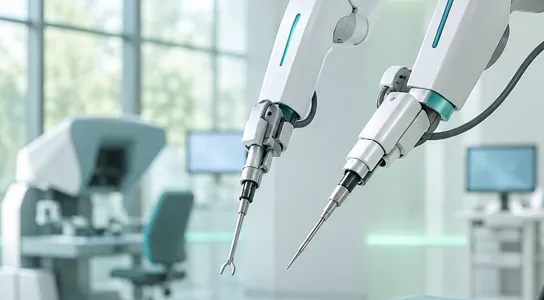


Diverticulitis surgery recovery, week by week
Most people want to know two things: when can I work, and when can I live normally again. Here is how recovery after a planned operation commonly unfolds. Your own timeline will come from your surgeon.
What moves your timeline
- Your health and fitness before surgery
- Robotic or laparoscopic versus open surgery
- Whether you have a temporary ostomy
- How much inflammation there was
- Your job and what it asks of your body
A typical recovery after planned surgery
Timing varies from person to person. These are common ranges after a robotic or laparoscopic operation, not a schedule you need to keep up with.
Often a few days
In the hospital
- Up and walking the same day or the next
- Fluids first, then light meals
- Pain managed mostly with pills
- Home once you are walking, eating and passing gas
First two weeks
Settling in at home
- Short walks several times a day
- Tiring easily is normal, naps help
- Small, simple meals
- No driving while on strong pain medicine
Around weeks 2 to 4
Back to the laptop
- Many desk and remote workers return, sometimes part time
- Driving once you can brake hard without pain
- Longer walks, errands, light chores
Around weeks 4 to 6
Energy comes back
- Brisk walking or a stationary bike if your surgeon agrees
- Most daily routines feel normal again
- Still no heavy lifting
From about 6 weeks
Fully cleared
- Lifting, gym and core work, built up gradually
- Physical jobs often return around here
- Bowel habits keep settling for a few months
Driving, desk work, lifting: when each usually comes back
Your surgeon gives you a written plan before you leave the hospital. Use this as a guide for questions to ask, not as a replacement for it.
| Activity | Common timing | What decides it |
|---|---|---|
| Walking | Common timing: The same day or the next, a little more each day | What decides it: How you feel. Walking helps prevent clots and gets the bowel moving. |
| Eating | Common timing: Often within a day, starting light | What decides it: How quickly your bowel wakes up after surgery. |
| Showering | Common timing: Usually within a few days | What decides it: The wound care instructions you are given. |
| Driving | Common timing: Often within one to two weeks | What decides it: Being off strong pain medicine and able to brake hard and turn comfortably. |
| Desk or remote work | Common timing: Often two to three weeks, sometimes sooner part time | What decides it: Your energy, your commute and how long your workday is. |
| Physical work | Common timing: Often six weeks or longer | What decides it: How much lifting and straining the job involves. |
| Lifting anything heavy | Common timing: Usually avoided for about six weeks | What decides it: Healing of the incisions and the muscle layer underneath. |
| Running, gym, core work | Common timing: Often from about six weeks, built up slowly | What decides it: Your surgeon's check at your follow up visit. |
Signs to call your surgeon after you get home
Call the office the same day
- A fever, or chills
- Belly pain that gets worse instead of better
- Vomiting, or not being able to keep fluids down
- A swollen belly with no gas or stool
- Redness, warmth or drainage from an incision
After hours, follow the instructions on your discharge papers. Our office line is (310) 289-1518.
Call 911 or go to the ER
Chest pain, sudden shortness of breath, or a painful, swollen calf. These can be signs of a blood clot and need care right away.
More about life after surgery
If you have a temporary ostomy
An ostomy nurse teaches you to look after the pouch before you leave the hospital. Most people find it easier to manage than they feared. It is usually reversed in a smaller operation once healing is complete. When and why an ostomy is used.
Your bowels after a colectomy
Looser or more frequent stools are common in the first weeks and usually settle as the colon adapts. Most people go back to a normal, varied diet. Whether attacks can return is covered in will diverticulitis come back after surgery.
Recovery questions people ask us
Dr. Nasseri covers going back to work in more detail in recovery after diverticulitis surgery: when can I get back to work. Planning ahead helps too: see elective surgery for diverticulitis.
How long is the hospital stay after diverticulitis surgery?
After a planned robotic or laparoscopic operation, many people go home within a few days. You go home once you are walking, eating and your bowels are starting to work. Emergency or open surgery often means a longer stay.
When can I go back to work after diverticulitis surgery?
Many people with desk or remote jobs return in roughly two to three weeks, sometimes sooner on reduced hours. Jobs with heavy lifting usually need six weeks or more. Your surgeon will give you a plan based on your work.
Will my bowel habits be different after surgery?
Stools are often looser or more frequent at first. For most people this settles over weeks to a few months as the colon adapts.
Is recovery different if I have a temporary ostomy?
You will learn to care for the pouch before leaving the hospital, with help from an ostomy nurse. The overall timeline is similar, and a later reversal operation usually has a shorter recovery of its own.
Related reading
- Surgery
Diverticulitis surgery explained
Who it helps, the operation and recovery in one overview. - Article
When can I get back to work?
Return-to-work ranges by type of job. - Surgery
How a robotic sigmoid colectomy works
Small incisions, the affected section removed, the ends rejoined. - Complication
Colocutaneous fistula
A channel from the colon to the skin, often after a drain.
Bring your scans. Leave with a plan.
Tell us about your job, your family and the dates that matter to you. We will map out what recovery would realistically look like for you before anything is scheduled.