

Skip to content
Illustration of the sigmoid colon with a thin channel running from an inflamed pouch out to the skin

Colocutaneous fistula

A channel from the colon to the skin

It usually shows up as a small opening on the belly that keeps draining, often after earlier diverticulitis surgery or a drain. It can be repaired, and the first step is finding out exactly where it runs.

Why does it so often follow surgery or a drain?

The colon is full of bacteria. When infection from diverticulitis sits against the belly wall, it can tunnel toward the surface. That is more likely where the tissue has already been opened: a diverticular abscess drained through the skin, or a join in the colon that leaked slightly after an operation.

Less often, it forms with no surgery at all, from a long running or smoldering infection. Either way, the source is usually a diseased section of colon that is still in place.

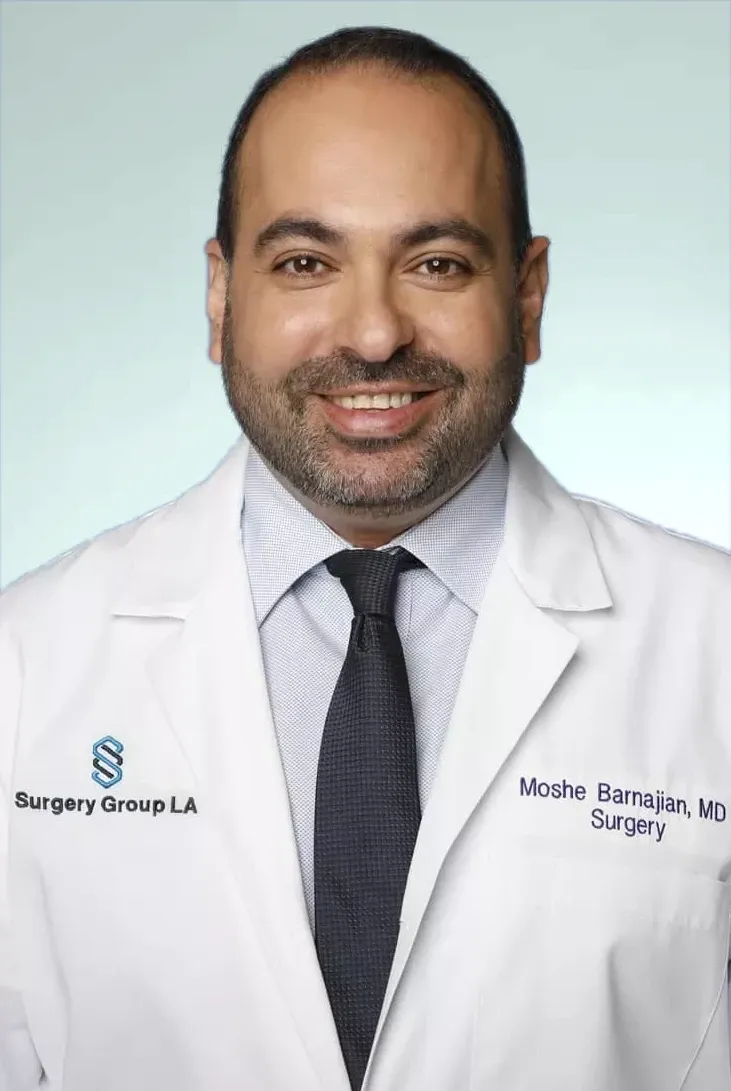
Dr. Nasseri & Dr. BarnajianColorectal surgeons who repair fistulas at Cedars-Sinai, including after surgery done elsewhere

What you may notice: fluid from a small opening in the skin

  1. 1 The opening on the skin
  2. 2 The channel through the belly wall
  3. 3 Where it starts, in an inflamed part of the colon
  • Fluid from a small opening on your belly

    Often near an old scar or the spot where a drain used to be. It may look cloudy, brown or like stool.

  • Gas or odor from the opening

    Air or a bowel smell coming through the skin is a strong clue that the channel reaches the colon.

  • Sore, red skin around it

    Bowel fluid irritates skin quickly, so the area can become raw and painful.

  • A spot that heals, then opens again

    The surface closes over for a while, then breaks down and starts draining once more.

What we check: the path of the channel

A repair is only as good as the map behind it. These tests show where the channel starts, where it runs and whether infection is still sitting behind it.

  1. Test 1

    Fistulogram

    A small amount of contrast dye goes into the skin opening, and X-rays trace where the channel runs and where it joins the colon.

  2. Test 2

    CT scan

    Shows the colon, the tract and any pocket of infection behind it, which needs treating before a repair.

  3. Test 3

    Colonoscopy

    Looks at the colon from the inside and helps rule out other causes such as a tumor or Crohn's disease.

Had surgery or a drain at another hospital? Bring the operative note and any scan reports. They help us see what was done and save repeat tests.

How it is repaired: settle the skin first, then the colon

First, weeks of calm

  • Protect the skin. A pouch fitted over the opening collects the drainage and lets sore skin heal.
  • Clear the infection. Antibiotics, and a drain if a pocket of pus sits behind the channel.
  • Build strength. Good nutrition helps tissue heal and makes the operation safer.

Some small fistulas close during this phase, especially soon after surgery when the colon beyond them is healthy.

Then, a planned repair

  1. The section of colon the channel comes from is removed, usually part of the sigmoid colon affected by diverticulitis.

  2. The channel through the belly wall is cut out and the wall is closed.

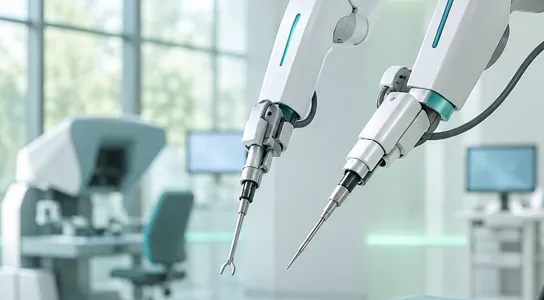
  3. The healthy ends of the colon are joined, often in the same operation. Some cases can be done robotically, depending on previous surgery and scarring.

Why a planned operation is the safer route

Still having flares as well? A one minute self-check helps you see where you stand.

Take the self-check

Surgeons who take on repeat and complex repairs

A fistula after earlier surgery can be more involved than a first operation. Dr. Nasseri or Dr. Barnajian reviews what was done before, maps the channel and explains how and when a repair would happen. Visits and surgery are on the Cedars-Sinai campus in Los Angeles.

Questions about a colocutaneous fistula

Can a colocutaneous fistula close on its own?
Some do, especially small ones that appear soon after surgery when the colon beyond them is healthy and nothing is blocking the way. If diseased colon is still in place, or the fistula keeps reopening, surgery is usually needed to close it for good.
Is it an emergency?
Usually not. It is uncomfortable and needs a plan, but most people can be assessed in clinic. Fever with spreading redness, severe belly pain or vomiting needs urgent care.
How do I look after the skin until it is repaired?
A wound or ostomy nurse can fit a pouch over the opening to collect the fluid and protect the skin. Keeping the area clean and dry, and eating well, also helps you heal and prepares you for surgery.
Will I need a colostomy?
Not always. In many planned repairs the colon is reconnected in the same operation. A temporary colostomy is sometimes used when there is a lot of infection or scarring. Your surgeon will explain what is likely in your case.
Why did this happen after my operation?
If a join in the colon leaks slightly, or an abscess was drained through the skin, the infection can form a track to the surface as it heals. It does not mean anyone made a mistake, but it does need a careful plan to fix.

Related: colovesical fistula, colovaginal fistula, perforated diverticulitis, complications explained.

This page is general information, not a diagnosis. Fever with spreading redness, severe pain or vomiting needs urgent care.

Bring your scans. Leave with a plan.

Bring your operative notes, scan reports and a photo log of the drainage if you have one. We will map where the channel runs, settle the skin and plan the repair with you. Appointments are on the Cedars-Sinai campus in Los Angeles.