

Recovery after diverticulitis surgery: when can I get back to work?
A realistic look at recovery after a planned sigmoid colectomy for diverticulitis, week by week, with typical timelines for desk jobs and physical work.

By Dr. Yosef Nasseri, colorectal surgeon
, 5 min read

For a lot of my patients, the question about surgery is less “Is it safe?” and more “How long will I be out?” They have jobs, clients, shifts and families who depend on them. Knowing what recovery really looks like is often what makes the decision possible.
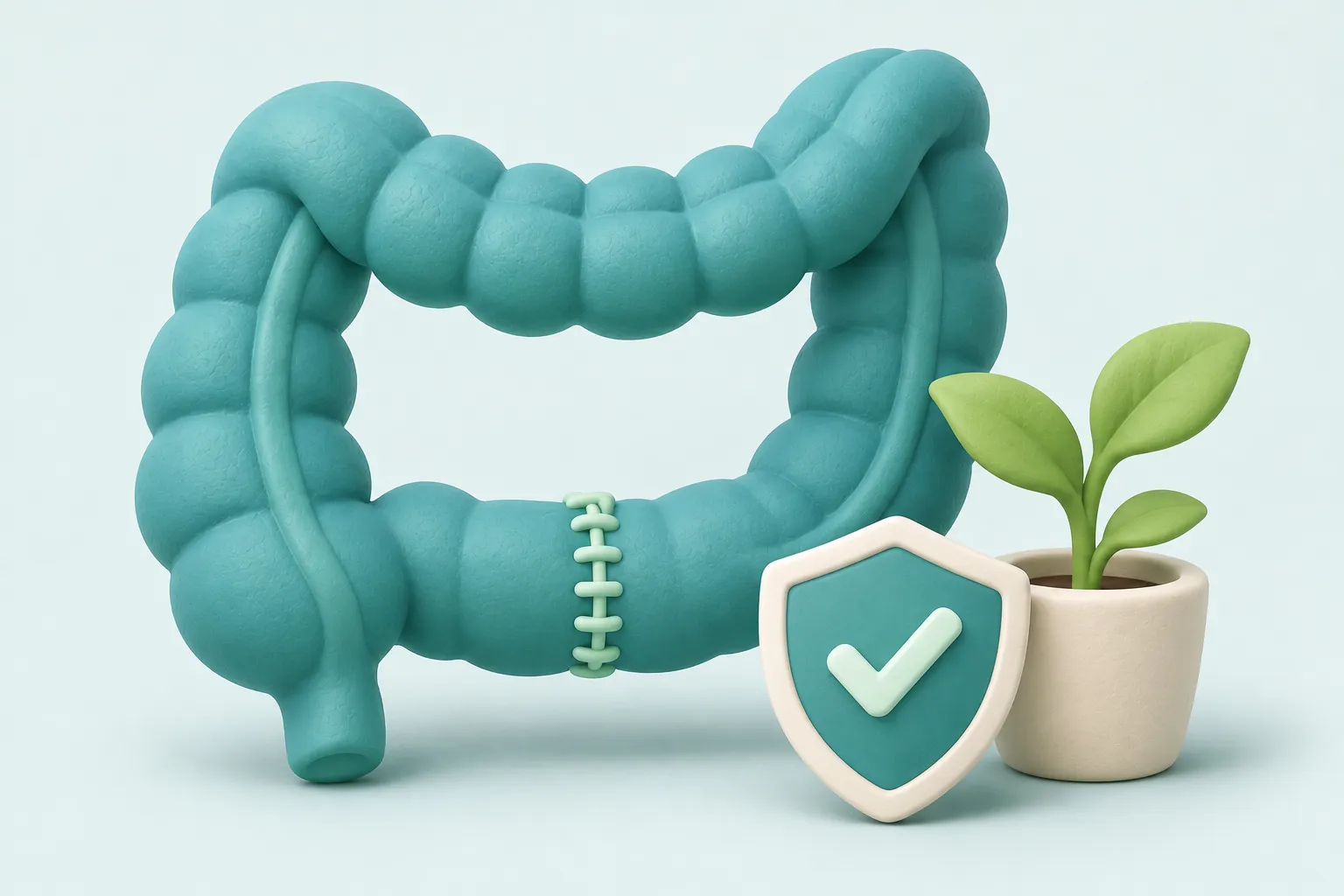
What follows is a general picture for a planned, minimally invasive sigmoid colectomy, the most common operation for diverticulitis. Everyone heals at their own pace, and your own surgeon’s instructions always come first. Recovery after emergency surgery, or surgery that includes a colostomy, is often longer and is not what this article describes.
In the hospital
Most hospitals now use what are called enhanced recovery programs. In practice that means you are encouraged to get up and walk on the day of surgery or the next morning, start drinking and eating fairly soon, and use pain control that limits strong opioids where possible.
Many people go home within a few days. You are usually ready when you are walking comfortably, eating, passing gas or having bowel movements, and your pain is controlled with tablets.
The first two weeks at home
This is the period when you will feel most tired. That is normal. Your body is healing on the inside even when the small incisions look fine on the outside.
What it usually looks like:
- Walking every day, a little more each time. This is one of the most helpful things you can do.
- Short rests through the day. Many people are surprised by how much they need them.
- Bowel changes. Stools can be looser or less predictable at first. This usually settles over the following weeks.
- Mild discomfort around the incisions, managed with the medication your surgeon recommends.
- No heavy lifting. This is the most important restriction, because the abdominal wall needs time to heal.
Driving usually waits until you are off opioid pain medication and can brake suddenly and turn comfortably without pain. For many people that comes within the first couple of weeks, but ask your surgeon before you drive.
Weeks two to four
Energy usually starts to come back during this period. Many people feel noticeably more like themselves by the end of it. Longer walks, light household tasks and short outings are usually fine.
This is also when many people with desk based jobs start working again. Some begin from home with shorter days, which can be a good way to test your stamina.
Weeks four to six and beyond
Most restrictions are lifted gradually around this time, depending on your surgeon’s advice. Lifting limits are often relaxed after several weeks. Exercise like running, cycling and weight training is reintroduced step by step. Swimming usually waits until the incisions are fully healed.
Some people still notice a little fatigue or bowel variability for a couple of months. That usually continues to improve.
So when can I go back to work?
It depends on what your work involves. These are typical ranges, not promises:
| Type of work | Many people return | Notes |
|---|---|---|
| Desk or computer work, flexible hours | Often around two to three weeks | Remote work or half days can help at first |
| Desk work with commuting or long days | Often around three to four weeks | Driving and stamina are usually the limits |
| On your feet most of the day, light lifting | Often around four to six weeks | Teaching, retail, nursing and similar |
| Heavy lifting or manual labor | Often six weeks or more | Lifting restrictions are the main factor |
Your surgeon will give you a specific plan. It is also worth asking your employer early about light duties or a phased return, which can make the transition easier.
A checklist for before surgery
One advantage of planned surgery is that you can prepare. People who do these things beforehand usually have a smoother return:
- Choose your date with work in mind. Avoid your busiest season, a major deadline or a trip.
- Talk to your employer or HR about time off, short term disability or medical leave paperwork, and light duties when you return.
- Arrange help at home for the first week or two, especially if you have small children or will need to lift anything.
- Set up your space. Put everyday items within easy reach so you are not bending or lifting.
- Plan meals that are simple to prepare.
- Line up transport for the first couple of weeks, until you are cleared to drive.
- Ask your surgeon about walking goals, lifting limits and when to call the office.
Does robotic surgery speed things up?
Robotic and laparoscopic colectomy both use small incisions rather than one large one. Compared with open surgery, minimally invasive approaches are generally associated with less pain, a shorter hospital stay and a quicker return to normal activities. Whether robotic surgery is better than laparoscopic surgery for recovery is less clear, and both are good options in experienced hands. What matters most is that the operation is planned, done by a surgeon who does it regularly, and suited to your case.
When to call your surgeon
Call the office, or seek urgent care if it is severe, if you have:
- A fever, or chills
- Belly pain that is getting worse rather than better
- Redness, swelling or drainage from an incision
- Vomiting, or being unable to keep fluids down
- No bowel movement or gas for an extended period
- Pain or swelling in one leg, or shortness of breath
Planning surgery around your life
Recovery after a planned operation for diverticulitis is usually measured in weeks, not months, and most people return to their normal work and routines. For many, that compares well with the time they were already losing to attacks, antibiotics and ER visits.
If you are weighing up surgery and want to understand what recovery would look like for your job and your family, that is a very good conversation to have before you decide. The recovery guide has more general information. When you are ready, take the self-check or book a consultation, and we can plan the timing together.

Dr. Yosef Nasseri, MD, FACS, FASCRS
Colorectal surgeon with Surgery Group LA who treats recurrent and complicated diverticulitis. Associate Professor of Surgery at Cedars-Sinai and Director of the SGLA Research Foundation.