Elective colon surgery vs. emergency surgery: why timing changes everything
The same diverticulitis operation looks very different planned or done in an emergency. How timing affects risk, recovery and the chance of a colostomy.

By Dr. Moshe Barnajian, colorectal surgeon
, 4 min read

When people hear “colon surgery for diverticulitis,” they often picture one thing. In reality, the same basic operation, removing the diseased section of colon, can happen under two very different sets of circumstances. Which one you end up in has a large effect on how the surgery goes and what recovery looks like.
Dr. Nasseri calls this his strongest message, and I agree with him. Here is why.
Two ways the same operation can happen
Imagine two people with a similar history of diverticulitis.
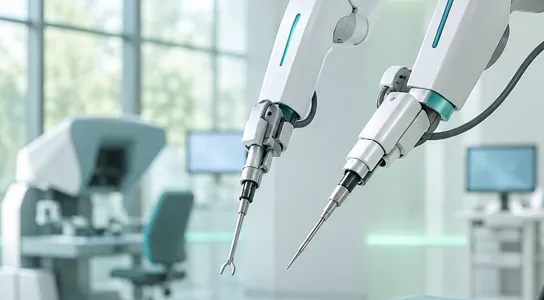
The first has had several attacks over two years. Between flares, she sees a colorectal surgeon, gets a CT scan and a colonoscopy, and talks through her options. She decides on surgery and picks a date after a busy period at work. She arrives at the hospital rested, with her bowel prepared, her medications adjusted and her questions answered. The operation is done with small incisions using a robotic system, and her colon is reconnected during the same surgery.
The second person has a similar history but no plan. One night the pain becomes severe. By the time he reaches the emergency room, a pouch in his colon has perforated, and infection has spread in his abdomen. He is unwell, possibly septic, and needs surgery that night. The team does what is safest in the moment, which often means a larger incision and, in many cases, a colostomy, a bag that collects stool through an opening in the belly. If it can be reversed, that usually means a second operation months later.
Both had the same disease. The difference is timing.
Why planned surgery is usually safer
In a planned operation, the conditions are on your side:
- The inflammation has settled. Surgeons generally prefer to operate after an attack has calmed down, when tissues are healthier and easier to work with.
- You are as well as you can be. Other conditions like diabetes or blood pressure can be optimized, medications adjusted and nutrition checked.
- The bowel can be prepared, which helps the surgeon reconnect the colon safely.
- The tests are done. A colonoscopy beforehand checks the rest of the colon and rules out other problems.
- A minimally invasive approach is often possible. Robotic and laparoscopic colectomy use small incisions, which for many people means less pain and a shorter hospital stay.
In an emergency, almost none of that is possible. The patient is often sick, the colon is inflamed or perforated, and the abdomen may be contaminated. Surgeons have to make choices that prioritize getting the patient through safely, and those choices usually carry more risk.
The colostomy question
For many patients, this is the part that matters most. Nobody wants a bag.
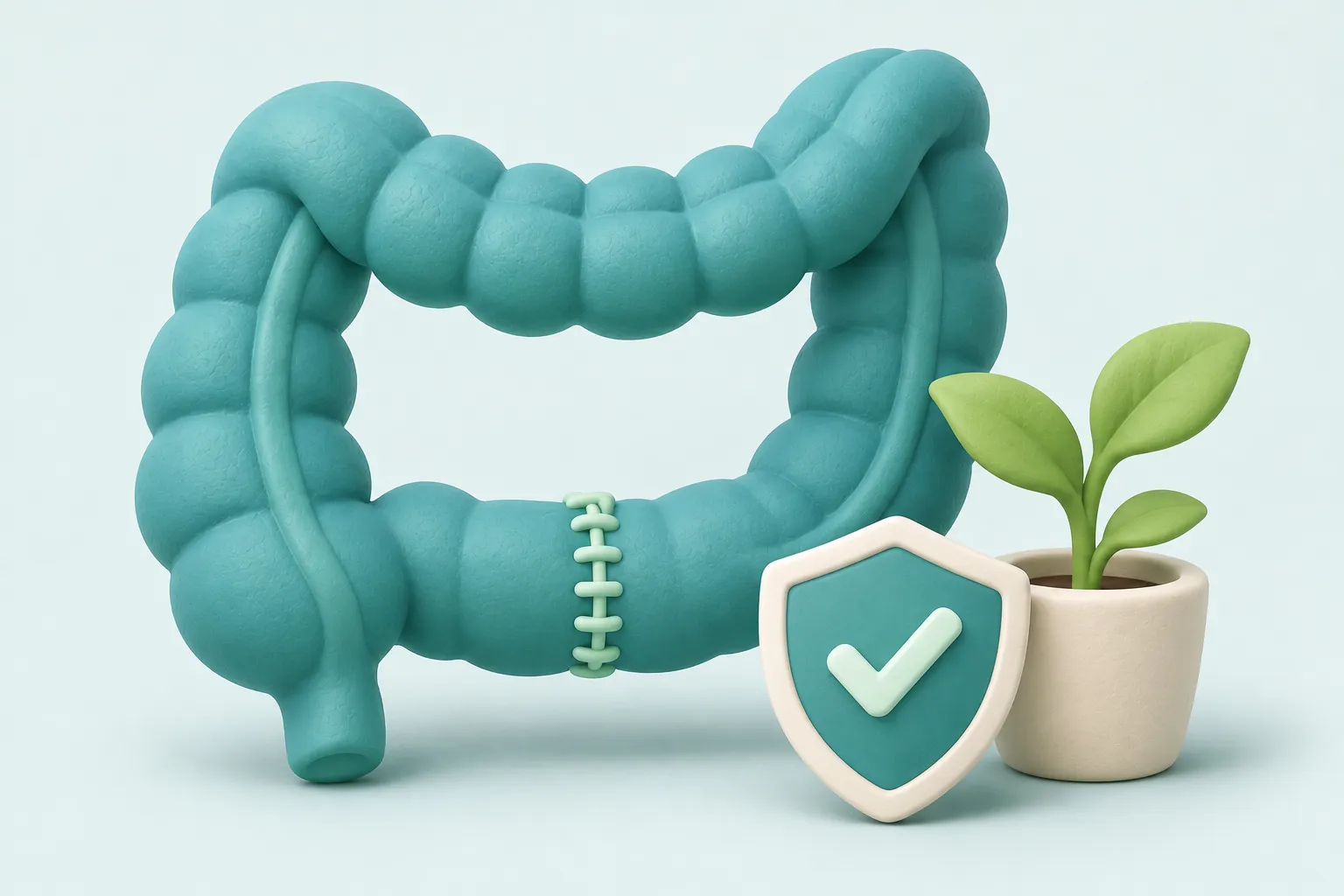
In planned surgery for diverticulitis, the healthy ends of the colon are usually joined back together in the same operation. A colostomy is uncommon, though a surgeon may still recommend a temporary one in certain situations, for example when there is a lot of inflammation.
In emergency surgery for a perforation, a colostomy is much more likely. A common emergency operation, called a Hartmann’s procedure, removes the perforated section and brings the end of the colon out to the skin, because joining it back together in an infected abdomen can be unsafe. Reversing it later is a separate operation, and not everyone ends up having it reversed.
This is not meant to frighten anyone. Emergency surgeons do excellent work under difficult conditions, and many people recover well. The point is simply that a planned operation usually gives you a better chance of avoiding a colostomy altogether.
A side by side look
| What changes | Planned (elective) surgery | Emergency surgery |
|---|---|---|
| Timing | A date you choose, often weeks ahead | Same day or within hours |
| Your condition | Prepared, inflammation settled | Often unwell, infection active |
| Approach | Often robotic or laparoscopic | More often open surgery |
| Colon reconnected? | Usually, in the same operation | Often a colostomy first |
| Recovery | Typically shorter and more predictable | Often longer, sometimes a second operation |
Every person is different, and these are general patterns rather than promises. Your own surgeon can tell you how they apply to you.
Does that mean everyone should have surgery early?
No. Most people with diverticulitis never need an operation, and most attacks settle without one. Many people will never have a perforation. Planned surgery is a choice to weigh, not a default.
What the timing argument does mean is this: if you are likely to need surgery at some point, because attacks keep coming back, because a complication has developed, or because the disease is taking over your life, it is usually better to make that decision calmly than to have it made for you at 2 a.m. The guide to elective diverticulitis surgery covers who tends to benefit.
How to keep the choice in your hands
You do not have to decide anything today. But you can put yourself in a position where, if surgery becomes the right option, it happens on your terms:
- Get the diagnosis confirmed with a CT scan during or after an attack.
- Have a colonoscopy if your doctor recommends one and you have not had a recent one.
- Keep a simple record of attacks, antibiotics and ER visits.
- See a colorectal surgeon while you are well, not only when you are in pain.
- Know the warning signs that need emergency care: severe or spreading belly pain, high fever, vomiting, a hard swollen belly or feeling faint.
If you have had repeated attacks and have never talked to a surgeon about timing, that conversation is worth having now, between flares. Take the self-check to see where you stand, or book a consultation with Dr. Nasseri or me. We will look at your history and scans and help you decide, with no pressure either way.
Dr. Moshe Barnajian, MD, FACS, FASCRS
Colorectal surgeon with Surgery Group LA who treats recurrent and complicated diverticulitis. Named a Super Doctors Rising Star by Los Angeles Magazine.