




Colovaginal fistula
A private symptom with a clear fix
A colovaginal fistula is a small opening between the colon and the vagina, most often caused by diverticulitis in women who have had a hysterectomy. It can be hard to talk about. It is also very treatable.


Dr. Nasseri & Dr. BarnajianColorectal surgeons focused on diverticulitis, at Cedars-Sinai
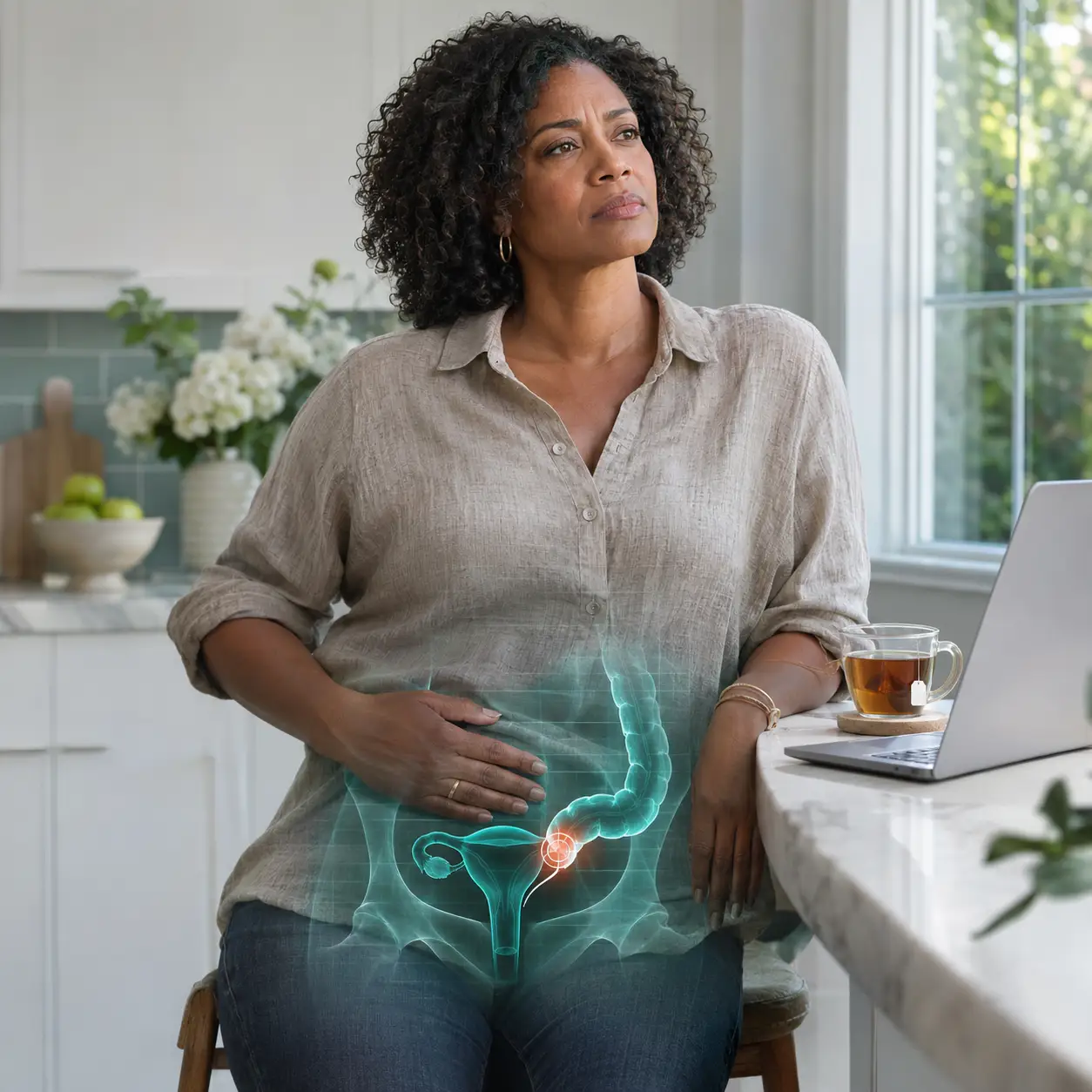
You do not need the right words. Describe what you notice and we take it from there.
Often treated as a vaginal infection first
Many women see a gynecologist or urgent care several times before anyone connects the symptoms to the colon. Each treatment helps a little, and then the same thing comes back.
Gas passing from the vagina
Often put down to: Often kept private, or put down to air trapped after sex or exercise
What points to a fistula: It happens without any trigger, sometimes several times a day.
Discharge that is brownish or smells like stool
Often put down to: Usually treated as bacterial vaginosis
What points to a fistula: The odor comes back soon after each course of treatment ends.
Vaginal infections that keep returning
Often put down to: Treated as yeast or BV, one round after another
What points to a fistula: Swabs grow bowel bacteria, or the infections never fully clear.
Irritated, sore skin around the vulva
Often put down to: Put down to soaps, pads or a skin condition
What points to a fistula: It improves with creams, then returns along with the discharge.
Some women also notice urinary infections that keep coming back. If you have air in your urine as well, read about colovesical fistula, which involves the bladder.
It is fine to say it plainly
Colorectal surgeons hear about gas, stool and discharge every day. Nothing you describe will be a surprise, and the more directly you put it, the faster the visit gets to an answer.
If it feels easier, write it down and hand over the note. Many patients do.
Words patients use at a first visit
- “I pass gas from my vagina, and I can’t control it.”
- “My discharge smells like stool.”
- “I keep getting treated for infections, and they keep coming back.”
Also useful: the year of any hysterectomy, past diverticulitis attacks, and the dates of recent antibiotic or yeast treatments.
Why it happens more after a hysterectomy
The sigmoid colon, where most diverticulitis happens, sits low in the pelvis. When the uterus is in place, it usually separates the colon from the vagina.
After a hysterectomy, the top of the vagina can lie right against the colon. If an inflamed pouch sticks to that spot during an attack, it can wear a small channel through. Some women never had a clearly painful attack before the symptoms began.
Sigmoid colonVaginaBladderWhere a fistula can form
Finding the opening, calmly and in private
Not every test is needed for every woman. Your surgeon starts with your history and any scans you already have, then fills the gaps.
- Step 1
A gentle pelvic exam
With a speculum, a surgeon can sometimes see the small opening, often near the top of the vagina where a hysterectomy scar sits.
- Step 2
CT scan
Shows the inflamed sigmoid colon lying against the vagina, and sometimes air where it should not be.
- Step 3
Colonoscopy
Looks at the rest of the colon and rules out other causes, such as a tumor or Crohn’s disease, before surgery.
- Step 4
A dye test, if needed
A harmless colored liquid placed in the rectum. If it stains a tampon, the connection is confirmed.
You can ask for a chaperone during any exam, and for a pause or an explanation at any point.
Repaired in one planned operation
Antibiotics can quiet the discharge for a while, but the connection usually stays open. Once the inflammation has settled, most women are offered surgery that removes the cause and closes the opening at the same time.
The inflamed section of colon comes out
Usually the sigmoid colon, where the diverticula are. The healthy ends are joined back together, so most women do not need a colostomy.
The small opening in the vagina is closed
Healthy tissue is often placed between the colon and the vagina to help it heal.
Often done robotically
Small incisions and a short hospital stay when it suits your case. How robotic colectomy works, and what to expect in recovery.
The surgeons who would plan your repair
You see Dr. Nasseri or Dr. Barnajian from the first visit. They review your history and imaging, arrange any tests still needed and explain what the repair involves for you. Visits and surgery are on the Cedars-Sinai campus in Los Angeles.

Dr. Yosef Nasseri
MD, FACS, FASCRS · Colorectal surgeon
Dr. Nasseri often sees women who were treated for vaginal infections for months before anyone looked at the colon. His first visits focus on putting the history together.
- Cleveland Clinic fellowship
- Board certified colorectal
- Cedars-Sinai residency

Dr. Moshe Barnajian
MD, FACS, FASCRS · Colorectal surgeon
Dr. Barnajian plans fistula repairs as single, scheduled operations whenever the case allows, and explains each step before the day of surgery.
- Stony Brook fellowship
- Board certified colorectal
- Cedars-Sinai chief resident
Questions women ask about colovaginal fistula
Related: colovesical fistula, colocutaneous fistula, diverticulitis complications explained.
Is a colovaginal fistula an emergency?
Usually not. Most women can have tests and a planned operation over a few weeks. High fever, severe belly pain or vomiting are reasons to go to an emergency room right away.
Can a colovaginal fistula close without surgery?
It is uncommon. Antibiotics can calm the infection and ease the discharge for a while, but the connection usually stays open. Surgery is the standard treatment for women who are well enough for it.
Will I need a colostomy?
Most planned repairs remove the diseased colon and reconnect it in the same operation, so a bag is not needed. A temporary colostomy is occasionally used when there is a lot of infection. Your surgeon will talk this through with you beforehand.
Does the repair affect sex later on?
Once the vaginal opening has healed, most women can return to their usual sex life. Your surgeon will tell you how long to wait, which is often several weeks, and you can ask anything at your follow-up visit.
I still have my uterus. Can I get one?
It is less common, because the uterus usually sits between the colon and the vagina. It can still happen, so the symptoms are worth having checked either way.
This page is general information, not a diagnosis. High fever, severe belly pain or vomiting needs urgent care.
Related reading
- Complication
Colovesical fistula
When the colon connects to the bladder, and how it is repaired. - Complication
Colocutaneous fistula
A channel from the colon to the skin, often after a drain. - Surgery
How a robotic sigmoid colectomy works
Small incisions, the affected section removed, the ends rejoined. - Article
Diverticulitis in your 40s and 50s
Why younger adults are seeing it more.
A private conversation, then a plan
Tell us what you have noticed, in whatever words feel comfortable. We will review your history, any scans and past treatments, and explain whether a colovaginal fistula fits and how a repair would work. Visits are at our Los Angeles office on the Cedars-Sinai campus.