
Will diverticulitis come back after surgery?
After a sigmoid colectomy, diverticulitis rarely returns, but it can. Why it happens, how surgeons lower the chance and what to expect afterward.

By Dr. Moshe Barnajian, colorectal surgeon
, 4 min read
It is a fair question, and a smart one to ask before agreeing to an operation. If you are going to go through surgery, you want to know it will be worth it.
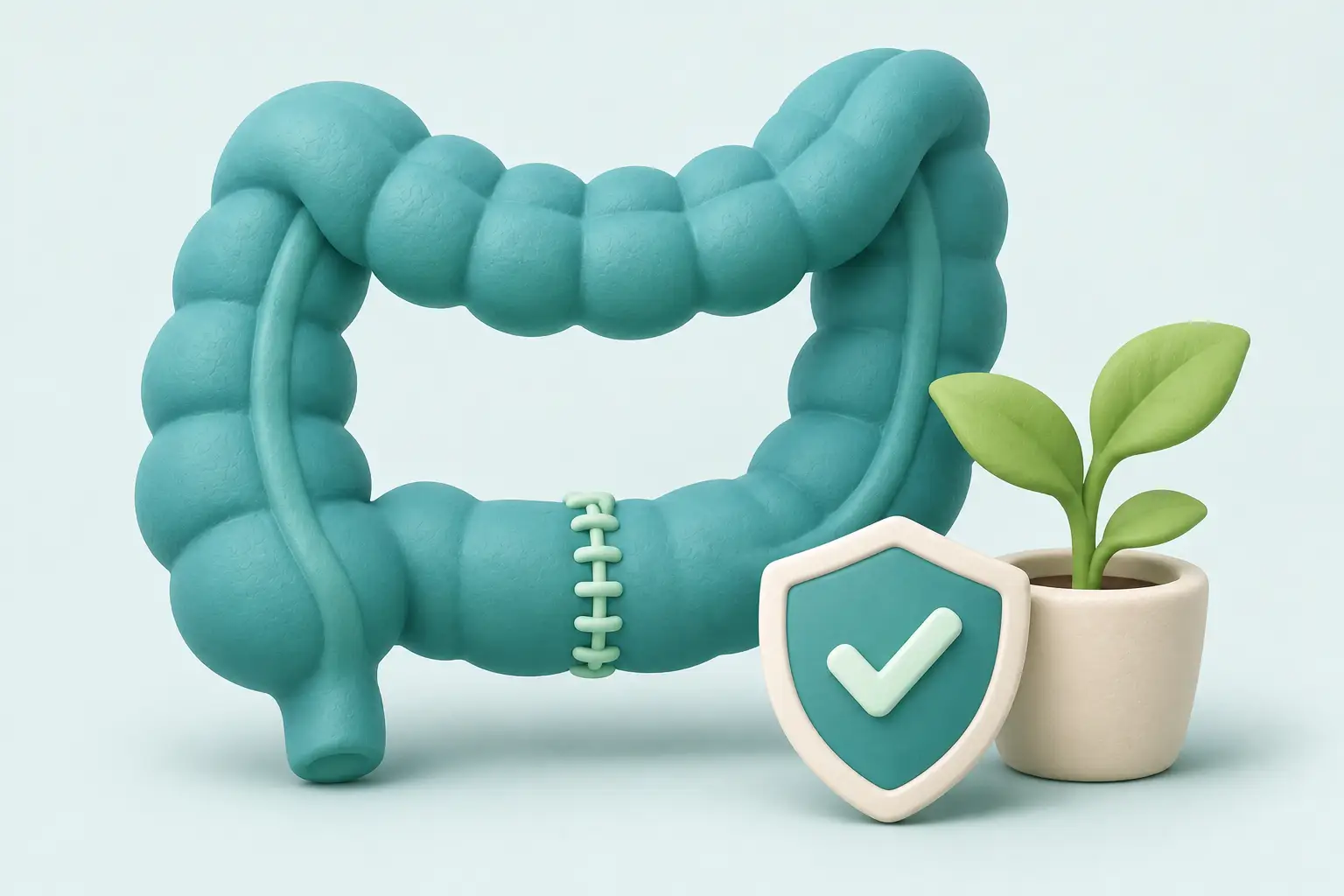
The short answer: for most people, planned surgery ends the attacks. Diverticulitis coming back after a sigmoid colectomy is uncommon. But it is not impossible, and it is worth understanding why, because a few details of how the operation is done make a real difference.
Why surgery helps in the first place
In most people in the United States, diverticulitis happens in the sigmoid colon, the last curve of the large bowel just before the rectum. This section has the highest pressure inside it, which is thought to be part of why it is affected so often.
A sigmoid colectomy removes that section and joins the colon above it to the top of the rectum. With the most affected part gone, the source of most attacks is gone too.
So why can it come back at all?
There are a few reasons.
Diverticula elsewhere in the colon. Surgery removes the diseased section, not every pouch in the colon. Many people have diverticula scattered higher up. These usually cause no trouble, but occasionally one of them can become inflamed later.
Where the new connection sits. This is one of the most important technical points. Studies suggest that recurrence is lower when the surgeon removes the entire sigmoid colon and joins the colon to the upper rectum, rather than leaving a short piece of sigmoid behind. The rectum does not usually develop diverticula, so it makes a reliable place to reconnect. Experienced colorectal surgeons pay close attention to this.
Right sided diverticulitis. In some people, particularly of Asian descent, diverticulitis affects the right side of the colon instead. That is a different situation and may be managed differently.
What about symptoms that are not diverticulitis?
This deserves its own section, because it is a common source of worry.
Some people still have belly discomfort, bloating or irregular bowel habits after surgery. That does not necessarily mean diverticulitis has returned. Possible explanations include:
- Normal adjustment. The bowel takes some weeks or months to settle after an operation.
- Irritable bowel type symptoms, which some people had alongside their diverticulitis all along. Surgery removes the inflamed colon but may not change these.
- Other conditions unrelated to diverticular disease.
This is one reason a careful evaluation before surgery matters. If your main symptom is ongoing pain without clear attacks of inflammation on a CT scan, surgery may help less, and your surgeon should talk that through honestly. When attacks have been confirmed with scans, the outcome is usually more predictable.
What lowers the chance of it coming back
Some of this is in the surgeon’s hands, and some is in yours.
On the surgical side:
- Removing the full extent of the diseased sigmoid colon
- Joining the colon to the upper rectum
- Using healthy, soft colon for the new connection rather than thickened or inflamed bowel
- Planning surgery when inflammation has settled, which usually allows a cleaner operation
On your side, after you have healed:
- Staying active
- Working toward a healthy weight if that is a goal for you
- Not smoking
- Eating a diet with enough fiber, if your surgeon agrees it suits you
- Talking to your doctor about regular use of anti-inflammatory painkillers
None of these come with a guarantee, but they are reasonable steps that support bowel health in general.
If symptoms do come back
If you have had surgery and develop pain, fever or other symptoms that remind you of an attack, see a doctor and ask for appropriate imaging, usually a CT scan. That confirms whether it is diverticulitis or something else. If it is diverticulitis, it is often milder and is usually managed without another operation, though every case is different.
It helps if your new doctors have your operative details, so keep a copy of your surgical report. It shows what was removed and where the connection was made.
Is surgery worth it, then?
For the right person, planned surgery is often a very good choice. Many people who have lived with repeated attacks find that life afterward becomes more predictable, and they stop planning around the next flare.
That said, surgery is not right for everyone, and it should never be oversold. The best outcomes tend to come when:
- Attacks or complications were confirmed with imaging
- The operation is planned rather than done as an emergency
- The surgeon does this operation regularly and pays attention to the technical details above
- Expectations are clear on both sides
If you are considering surgery, ask your surgeon directly how they plan the connection, what they expect for someone with your history, and what symptoms might remain. A good surgeon will welcome those questions. You can read more about the operation itself in our guide to robotic sigmoid colectomy, and about the weeks afterward in recovery after surgery.
Getting an honest opinion
Whether you are deciding on surgery, or you have had it and are worried about new symptoms, it is worth talking to colorectal surgeons who focus on diverticulitis. Bring your scans, your history and, if you have had surgery, your operative report.
You can take the self-check to see where you stand, or book a consultation with Dr. Nasseri or me. We will give you a clear, realistic view of what to expect.
Dr. Moshe Barnajian, MD, FACS, FASCRS
Colorectal surgeon with Surgery Group LA who treats recurrent and complicated diverticulitis. Named a Super Doctors Rising Star by Los Angeles Magazine.