


Colon stricture from diverticulitis
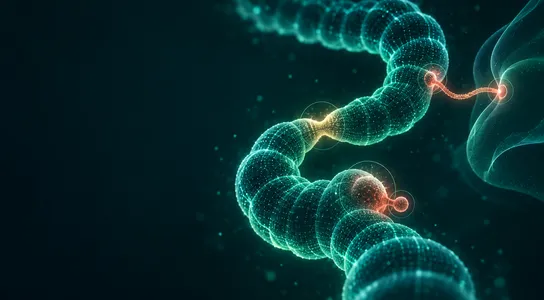
A colon stricture is a section of colon that has narrowed after repeated flares. It happens slowly, so the changes are easy to put down to age, diet or stress.
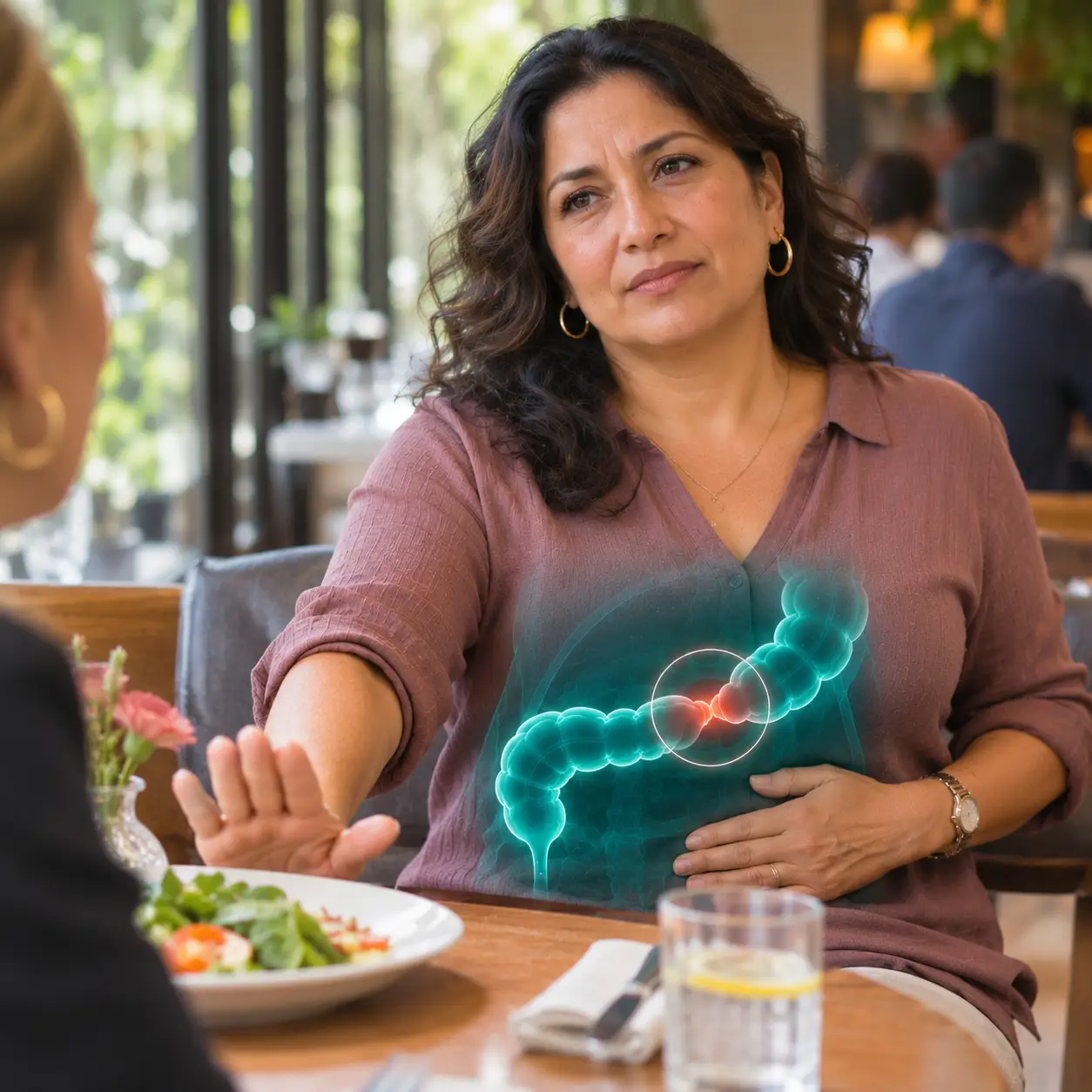
Each flare heals with a little scar tissue. Over the years, that scar can tighten the colon like a cinched belt.
It is usually found on a CT scan or colonoscopy, and it is treated by removing the narrowed section in a planned operation.


Dr. Nasseri & Dr. Barnajian, colorectal surgeons at Cedars-Sinai
Bowel habits that change slowly enough to ignore
Belly pain may not be part of it at all. What people tend to notice is that going to the bathroom is not what it was a few years ago.
Sound familiar after past diverticulitis? The one minute self-check helps you decide whether to see a surgeon.
| A few years ago | Lately | |
|---|---|---|
| Stool shape | Formed and a normal size | Thinner or narrower, sometimes small and pellet-like |
| Going | Regular, without much effort | More straining, or a feeling you have not quite finished |
| Gas and bloating | Now and then | Cramping and bloating that build after a bigger meal |
| Constipation | Rare | Harder to shift, sometimes swinging to loose stools |
| Meals | You ate what you liked | You eat less because a full stomach makes it worse |
How repeated flares narrow the colon
Every bout of diverticulitis inflames the wall of the colon, most often the sigmoid colon in the lower left belly. As it heals, the wall lays down scar tissue. One flare rarely leaves much behind. Several, or one that smolders for months, can leave the wall thick and stiff.
The space for stool to pass through gets smaller, and the stiff segment does not stretch the way healthy colon does. That is why symptoms build gradually and often get worse after a large meal.
Why a colonoscopy comes before any plan
A narrowed colon after diverticulitis is usually scar tissue. Usually is not enough to plan surgery around, so the inside of the colon is checked directly, with biopsies if anything looks unusual.
If the scope cannot pass through the narrow section, a CT colonography (a detailed CT of the colon) or a contrast study can show the rest. If you have had a colonoscopy recently, bring the report.
What the workup rules out
Colon cancer
The one that matters most to exclude. A tumor can narrow the colon and look much like a scarred segment on a CT scan.
Crohn's disease
Another inflammatory condition that can cause narrowing, and is treated differently.
Reduced blood flow
Ischemic colitis can also leave a scarred, narrow section behind.
When a narrowing becomes a blockage
- No stool or gas for a day or more
- A swollen, tight belly
- Vomiting
- Cramping pain that keeps building
Any of these together needs the emergency room, not an appointment.
Treatment means removing the narrowed section
Scar tissue does not soften back to normal, so when a stricture causes symptoms, the usual answer is a sigmoid colectomy: taking out the stiff segment and joining healthy colon on either side.
Before surgery
Colonoscopy or CT colonography, a review of your scans and a plan for the bowel prep, which may be gentler than usual if the narrowing is tight.
The operation
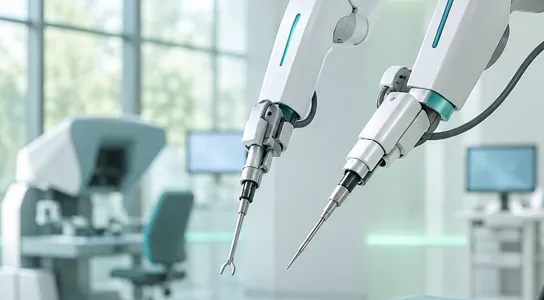
The narrowed segment is removed and the ends are reconnected. When it suits your case, it is done robotically through small incisions.
Afterwards
A short hospital stay, then a gradual return to normal food and activity. Many people notice their bowel habits settle once the tight section is gone. What recovery looks like.
Planning the operation before the colon blocks completely is what keeps it a calm, scheduled surgery. Read why that matters in planned vs emergency surgery, or Dr. Nasseri’s piece on elective vs emergency surgery.
Surgeons who check the narrowing before they plan
Dr. Nasseri or Dr. Barnajian reviews your colonoscopy and scans, arranges anything still missing and explains whether removing the narrowed section makes sense now, later or not at all. Visits and surgery are on the Cedars-Sinai campus in Los Angeles.

Dr. Yosef Nasseri
MD, FACS, FASCRS · Colorectal surgeon
Dr. Nasseri sees many people whose stricture was found years after their last bad flare, once the change in their bowel habits finally added up.
- Cleveland Clinic fellowship
- Board certified colorectal
- Cedars-Sinai residency

Dr. Moshe Barnajian
MD, FACS, FASCRS · Colorectal surgeon
His training in complex surgical oncology helps when a narrowed segment needs to be told apart from a tumor before surgery is planned.
- Stony Brook fellowship
- Board certified colorectal
- Cedars-Sinai chief resident
Questions about a colon stricture
Related: diverticular abscess, complicated diverticulitis, recurrent diverticulitis, living attack to attack.
Is a colon stricture the same as cancer?
No. Most strictures after diverticulitis are scar tissue. But cancer can narrow the colon and look similar on a scan, so a colonoscopy, and sometimes a biopsy, comes before any treatment plan.
Can a stricture be stretched instead of removed?
Balloon dilation through a scope is sometimes used for short narrowings. Strictures from diverticulitis tend to be longer and firmer, so stretching often helps only for a while. When a stricture causes symptoms, removing that section is the usual treatment.
Do I need surgery if my symptoms are mild?
Not always. It depends on how narrow the segment is, whether cancer has been ruled out and how much it affects your life. Some people watch and wait with a clear plan for what would change the decision.
Will I need a colostomy?
In a planned operation the healthy ends are usually joined in the same surgery, so most people do not need a bag. A temporary colostomy is more likely if the colon becomes fully blocked and surgery has to happen urgently.
Can diet help?
Softer foods, plenty of fluids and stool softeners can ease symptoms for a time, if your doctor agrees. They do not reverse the scar tissue, so they are a way to stay comfortable while you decide, not a fix.
This page is general information, not a diagnosis. Signs of a blockage, such as vomiting with a swollen belly, need urgent care.
Related reading
- Complication
Smoldering diverticulitis
Low-grade pain that never fully goes away. - Overview
Simple vs complicated diverticulitis
What changes when an attack goes beyond the colon wall. - Surgery
How a robotic sigmoid colectomy works
Small incisions, the affected section removed, the ends rejoined. - Article
Can diverticulitis come back after surgery?
Why it is uncommon and what lowers the odds.
Bring your scans. Leave with a plan.
Bring your latest colonoscopy report, any CT scans and a note of how your bowel habits have changed. We will look at whether a stricture explains it and what removing the narrowed section would involve. Appointments are on the Cedars-Sinai campus in Los Angeles.