What is a colovesical fistula, and how is it fixed?
A colovesical fistula links the colon and bladder, usually after diverticulitis. Patients' questions on diagnosis, surgery and recovery, answered.

By Dr. Yosef Nasseri, colorectal surgeon
, 5 min read
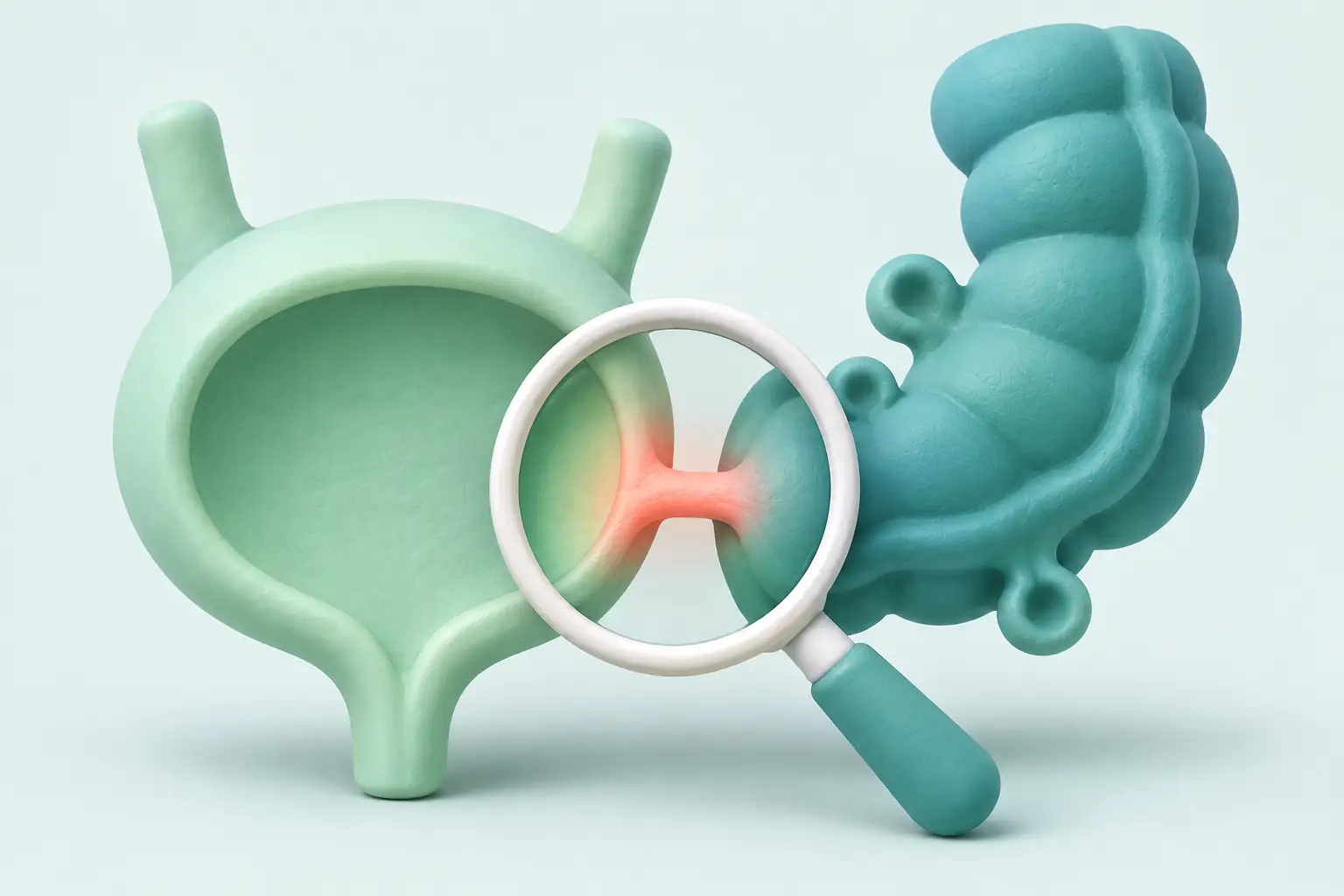
When someone is told they have a colovesical fistula, the questions usually come in a rush. What is it? Is it dangerous? Will I need a bag? How long will I be off work? I have arranged this article around the questions patients ask me most, roughly in the order they ask them.
What exactly is a colovesical fistula?
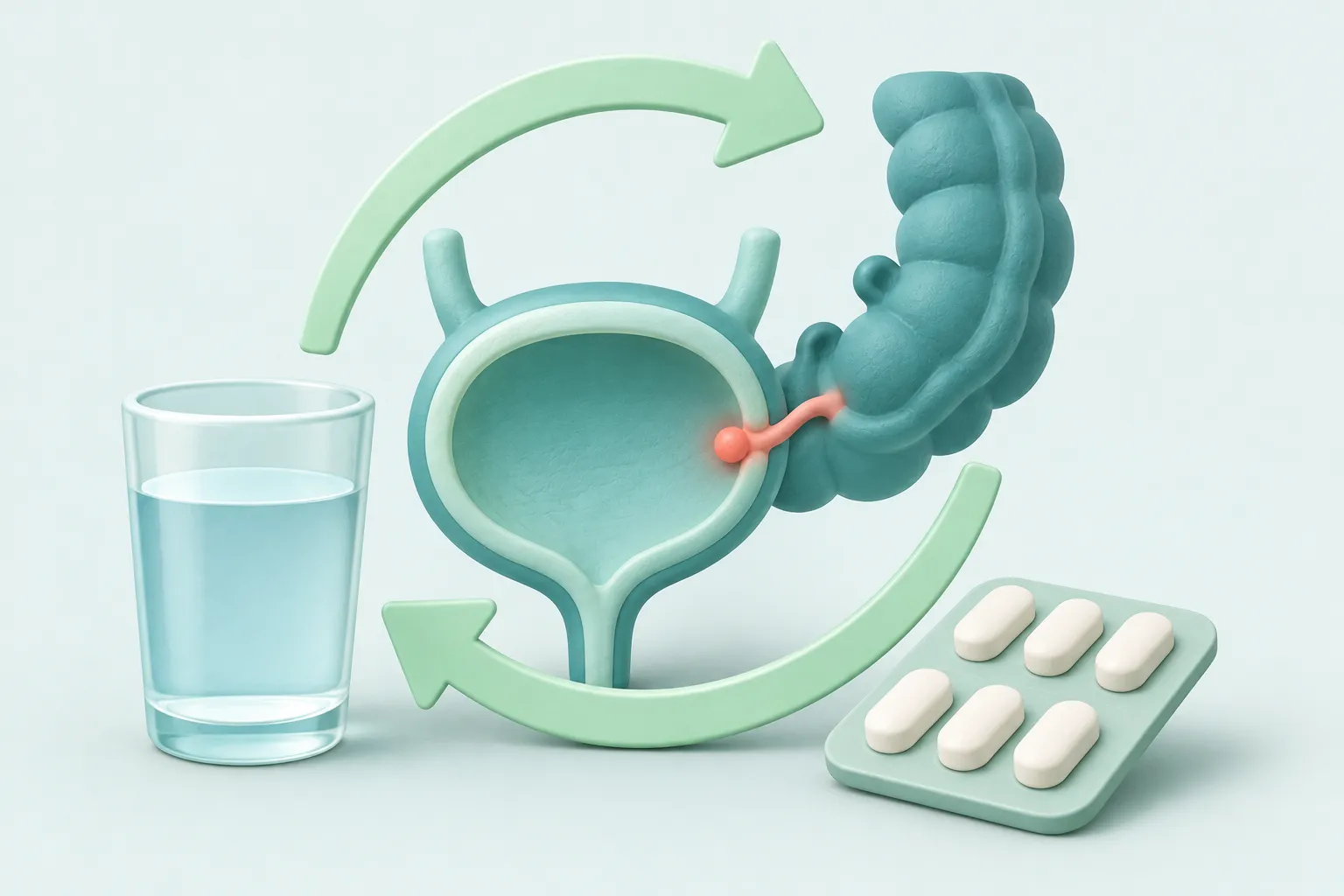
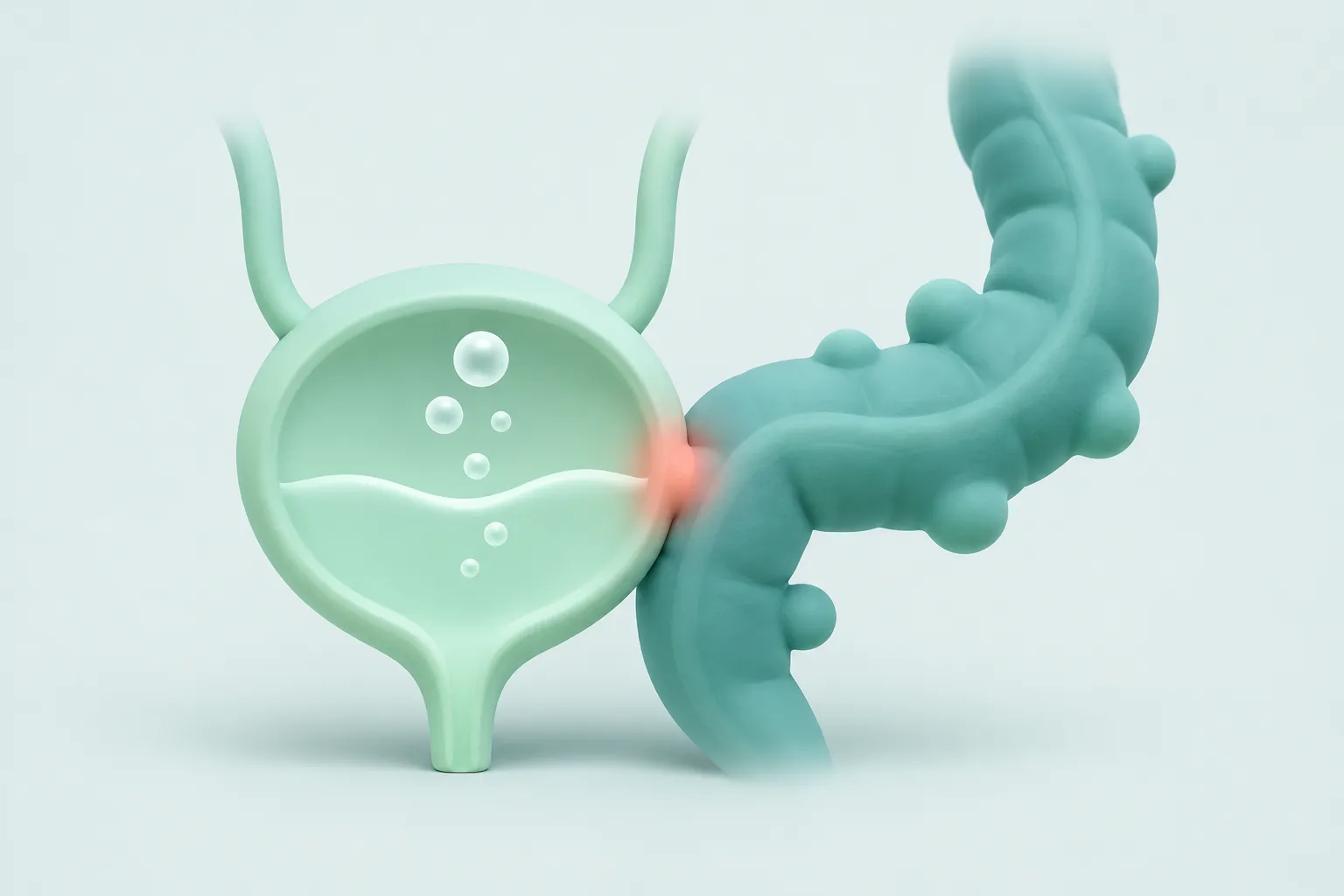
A fistula is an abnormal connection between two parts of the body that are not normally joined. “Colo” refers to the colon and “vesical” to the bladder. So a colovesical fistula is a small channel between the colon and the bladder.
Through that channel, gas and bacteria from the colon can pass into the bladder. That is what causes the typical symptoms.
How does diverticulitis cause it?
Diverticulitis is the most common cause. It usually affects the sigmoid colon, the S-shaped last section of the large bowel, which lies directly above the bladder.
When a diverticulum becomes inflamed, the colon can stick to whatever is next to it. If that is the bladder, repeated inflammation, or a small abscess between the two, can gradually wear a hole through both walls. The opening is often small, but it is enough to let gas and bacteria through.
Less common causes include Crohn’s disease, cancer of the colon or bladder, and previous radiation to the pelvis. That is one reason careful testing matters before surgery.
What are the symptoms?
The most typical signs show up when you urinate:
- Air in the urine, called pneumaturia, which can feel like a sputtering stream or look like fizz
- Urine that smells like stool, or contains specks of debris
- Urinary infections that keep returning, sometimes with several kinds of bacteria
- Burning and urgency that never completely clear
Belly pain is often mild or absent by the time the fistula forms. I wrote a separate piece on air in the urine because it is such an easily missed clue.
Who tends to get one?
Colovesical fistulas are more common in men. In most women, the uterus sits between the colon and the bladder and acts as a buffer. Women who have had a hysterectomy lose that buffer and can develop one too. In women, the colon can also form a connection to the vagina instead, which is called a colovaginal fistula.
How is it diagnosed?
Usually with a combination of tests:
- CT scan of the abdomen and pelvis. This is often the most useful single test. Air in the bladder, in someone who has not recently had a catheter or bladder procedure, is a strong clue. The scan can also show the thickened colon pressed against the bladder.
- Cystoscopy. A urologist looks inside the bladder with a thin camera. The opening itself is not always visible, but there may be inflammation in the area, and the test helps rule out other bladder problems.
- Colonoscopy. This checks the rest of the colon and helps exclude a tumor or other causes before surgery.
Sometimes the diagnosis is clear from symptoms and a CT scan alone. Other times it takes a little more work.
Is it an emergency?
Usually not. Most people with a colovesical fistula are uncomfortable and frustrated, but not in immediate danger. That means there is time to do the tests properly and plan surgery for a date that suits you.
The exceptions are signs of a serious infection: high fever, shaking chills, severe pain, vomiting, confusion or being unable to pass urine. Those need an emergency room.
Can it heal without surgery?
It is uncommon. Antibiotics can treat the infection and ease symptoms for a while, but the channel itself usually stays open, so the problem tends to return. For people who are not well enough for surgery, long term management without an operation can be an option, and that is something to discuss with your surgeon. For most people who are healthy enough, surgery is the standard treatment.
What does the operation involve?
The surgery has two main parts:
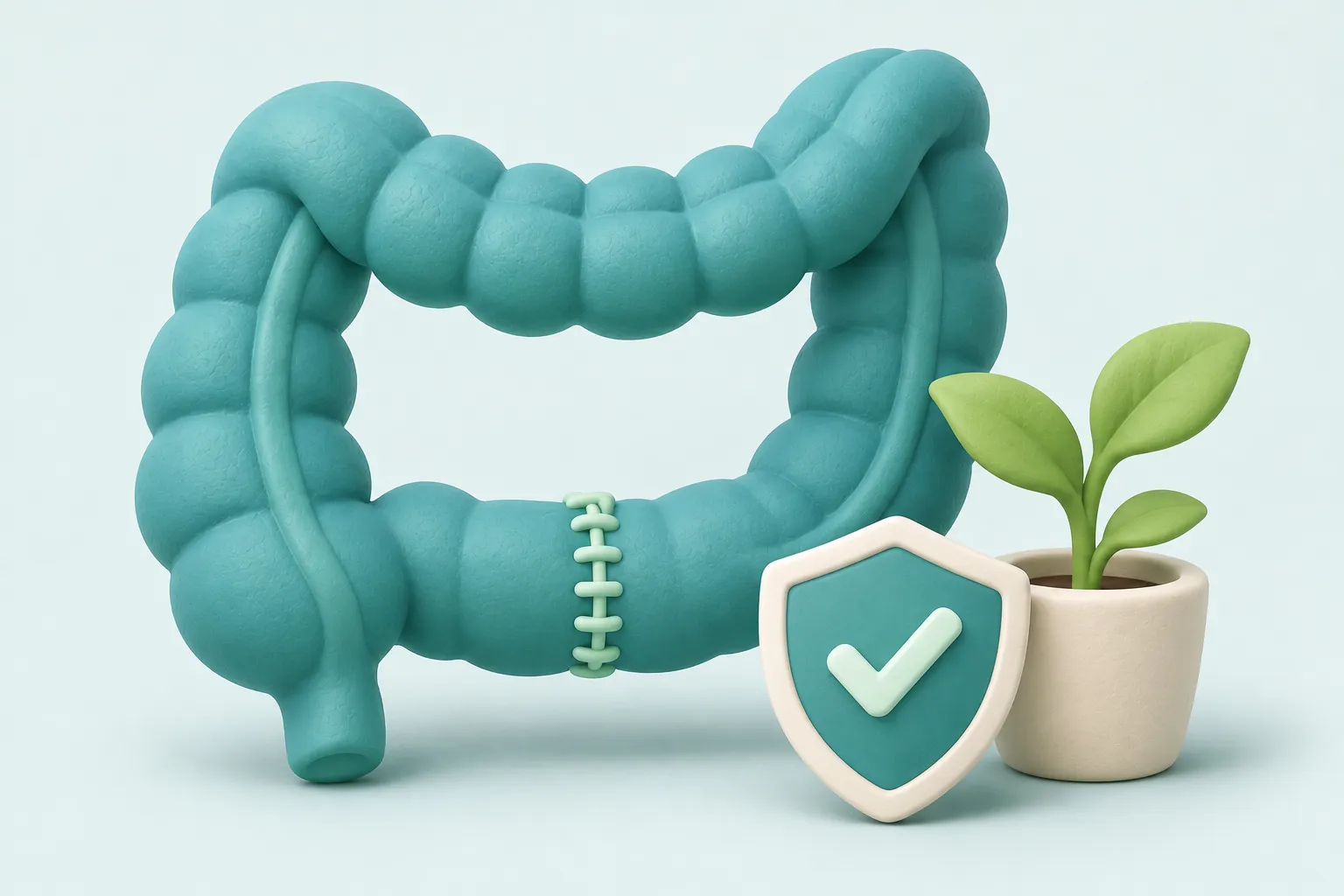
- Removing the diseased colon. The section of colon involved, usually the sigmoid colon, is removed and the healthy ends are joined back together. This is called a sigmoid colectomy.
- Repairing the bladder. The colon is separated from the bladder, and the small opening in the bladder wall is closed. Sometimes it is small enough to heal on its own with a catheter in place.
For many patients, this can be done with a minimally invasive or robotic approach, which uses several small incisions. A urologist sometimes joins the team, for example to place small tubes that help identify the ureters during surgery.
Will I need a colostomy?
In most planned repairs, no. The colon is usually reconnected in the same operation. A temporary colostomy or ileostomy is sometimes recommended when there is a lot of inflammation or other factors that make a safe connection harder. If that is a possibility for you, your surgeon should explain it clearly beforehand.
What is recovery like?
Many people go home from hospital within a few days. A urinary catheter usually stays in for a short time after surgery so the bladder repair can heal. Your surgeon may arrange a test to check the bladder before it is removed.
Most people are walking the same day or the next, return to light activity over the following weeks, and are asked to avoid heavy lifting for a period while the abdomen heals. Return to work depends on your job. There is more detail in the article on recovery and getting back to work.
Will the symptoms go away?
For most people, once the fistula is repaired and the bladder heals, the air in the urine, the unusual smell and the repeated infections stop. Some bladder irritation can take a little while to settle completely.
What should I do next?
If you have been told you have a colovesical fistula, or you suspect one, a consultation with a colorectal surgeon is the natural next step. Bring your CT scan and report, any urine cultures and a list of antibiotics you have taken. The more we can see, the faster we can plan.
You can read more about the condition on our colovesical fistula page, take the self-check, or book a consultation with Dr. Barnajian or me. We will confirm what is going on and walk you through a repair at a pace that suits you.

Dr. Yosef Nasseri, MD, FACS, FASCRS
Colorectal surgeon with Surgery Group LA who treats recurrent and complicated diverticulitis. Associate Professor of Surgery at Cedars-Sinai and Director of the SGLA Research Foundation.