



Diverticulitis surgery, and whether it makes sense for you
Surgery for diverticulitis removes the section of colon where the attacks keep starting. For many people with repeated flare ups or a complication, it ends the cycle. For others, it is not needed at all.
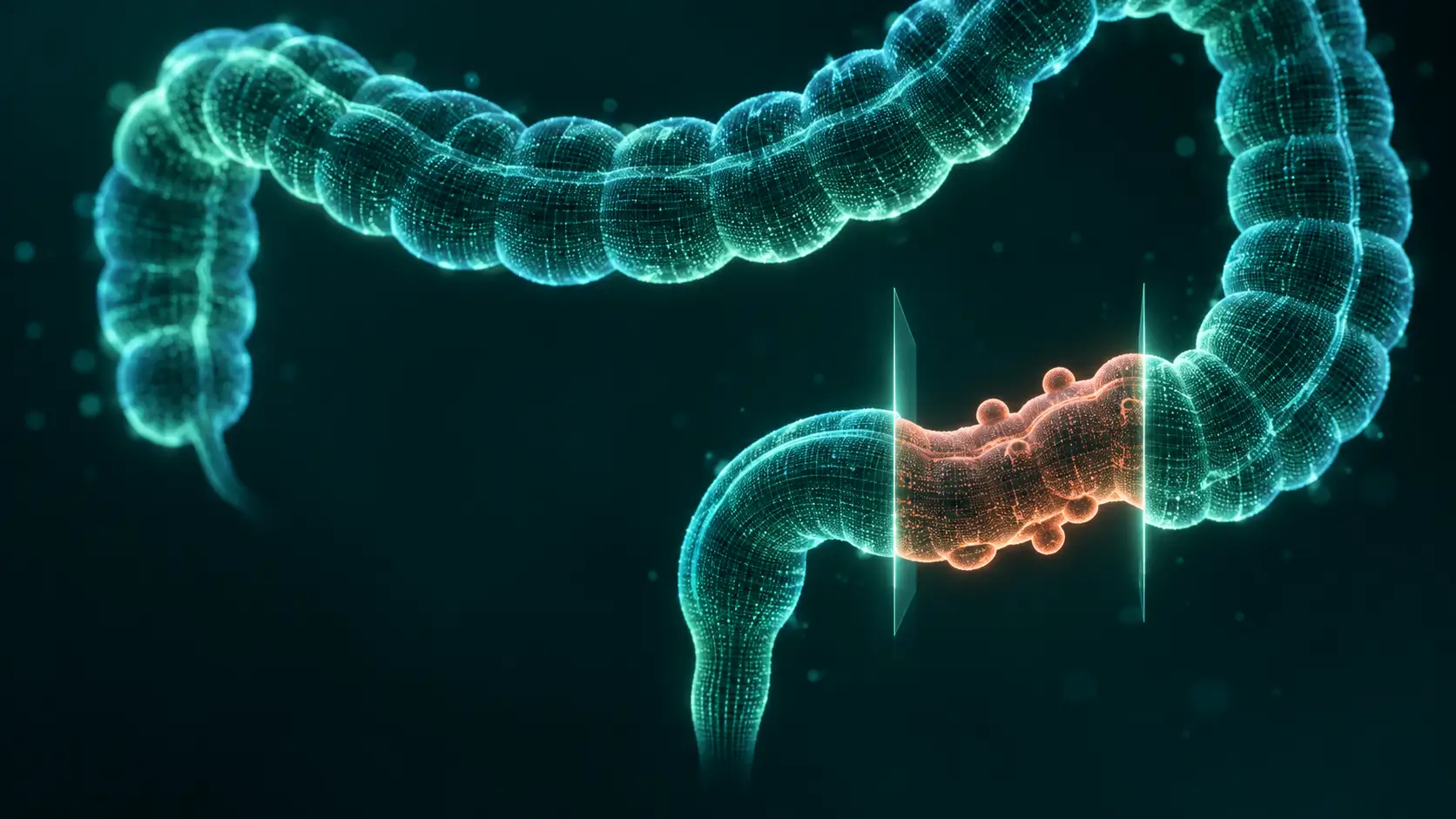
The highlighted section is the sigmoid colon. It is the part most diverticulitis operations remove.
Who is usually a candidate for diverticulitis surgery
Guidelines moved away from a fixed attack count years ago. Surgeons now weigh your pattern of attacks, your scans and how the disease affects your work and family.
Often worth a conversation with a surgeon
Attacks that keep coming back
There is no fixed number. What matters is how often they happen, how severe they are and how much of your life they take up.
A complication
A fistula, a narrowed colon, or an abscess that needed draining. These rarely settle for good with antibiotics alone.
Symptoms that never fully clear
Some people feel a low, grumbling pain between attacks for months. This is often called smoldering diverticulitis.
A weaker immune system
People on long term steroids, after a transplant or on certain cancer treatments can get sicker during a flare.
Often managed without an operation
- A single mild attack that settled with treatment
- Uncomplicated attacks spaced years apart that do not disrupt your life much
- Health problems that make an operation riskier than living with occasional attacks
Only an evaluation with your history and imaging can tell which group you are in.
Not sure where you fit? Three short questions about your attacks point you to the right next step.
Take the self-checkWhen the operation happens matters as much as the operation
The same colon resection can be a calm, scheduled procedure or an urgent one during a severe attack. Planned surgery usually carries lower risk and a better chance of the colon being reconnected in one operation, without a colostomy.
Why elective surgery is worth planning- Planned
- A date you choose, after the inflammation settles, usually through small incisions.
- Emergency
- Done during a flare, more often open, and more likely to need a temporary bag.
Colon resection, bowel resection, sigmoid colectomy
You will see all three names. For diverticulitis, they almost always describe the same operation.
- Sigmoid colectomy
- The precise name. The sigmoid is the S-shaped last part of the colon, where most diverticulitis happens, and a colectomy removes part of the colon.
- Colon resection surgery
- The general term for removing a section of colon. For diverticulitis, that section is almost always the sigmoid.
- Bowel resection surgery
- Broader still. It can mean the small or large bowel. People often use it when they mean a colon resection.
What happens during the operation
The inflamed section comes out
Working through small incisions, the surgeon frees the sigmoid colon and removes it along with the pouches that caused the attacks.
The healthy ends are joined
The colon is reconnected to the top of the rectum. This join is called an anastomosis, and it is checked before the operation ends.
Any fistula or narrowing is repaired
If a fistula to the bladder or a stricture is part of the picture, it is dealt with in the same operation.
Read more before your consultation
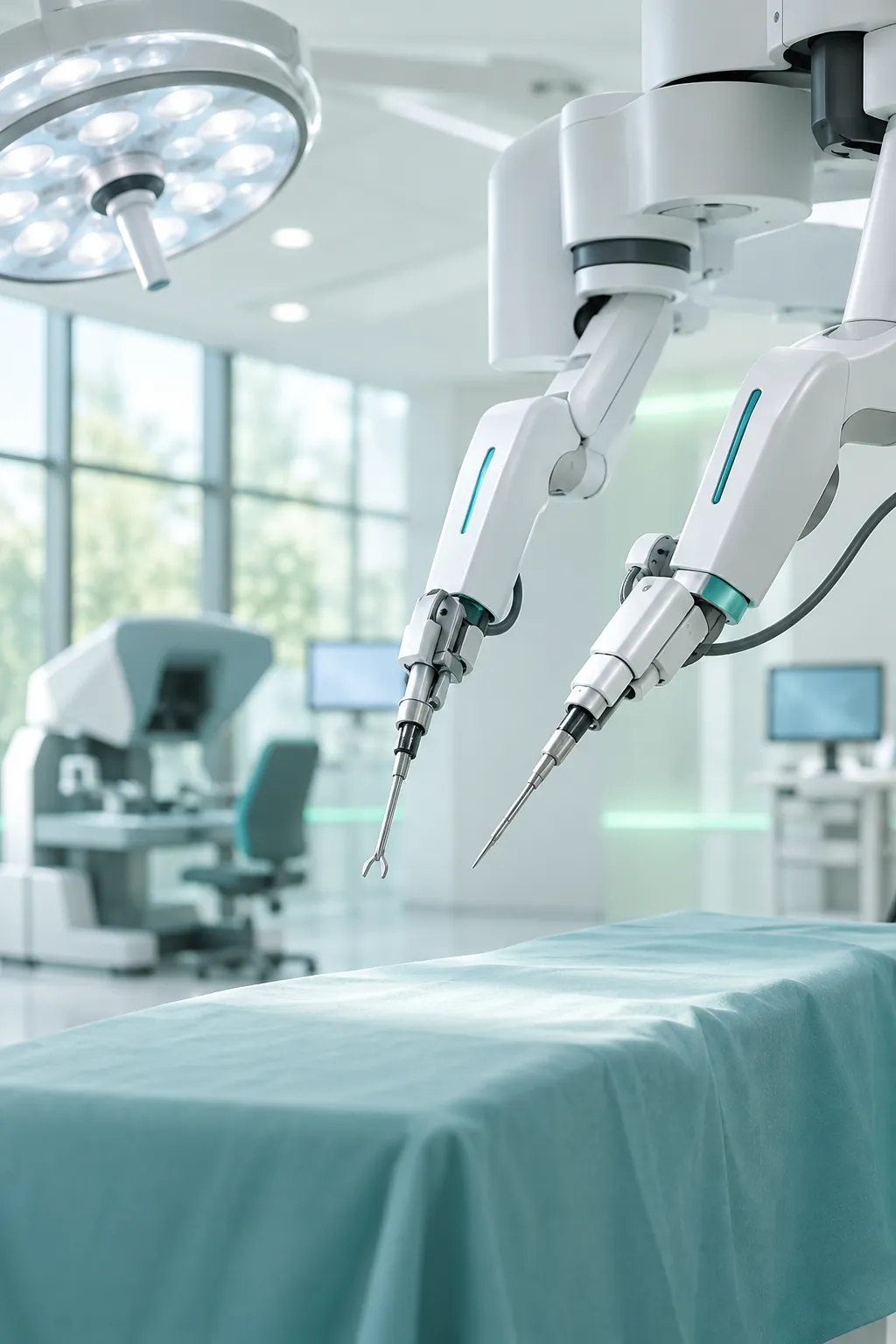 How robotic sigmoid colectomy worksStep by step, from the first incision to the join, and when a temporary ostomy may still be used.Read the guide
- Elective surgery for diverticulitisTiming, a preparation checklist and what your consultation covers.Plan ahead
- Recovery after diverticulitis surgeryA realistic timeline for walking, desk work, driving and lifting.See the timeline
Who performs the surgery
Dr. Yosef Nasseri and Dr. Moshe Barnajian are fellowship trained colorectal surgeons focused on diverticulitis. You meet one of them from your first visit, and surgery takes place at Cedars-Sinai Medical Center.
 Dr. Yosef Nasseri
 Dr. Moshe Barnajian
Questions about diverticulitis surgery
Related: recurrent diverticulitis, diverticulitis complications, how many attacks before surgery.
Is diverticulitis surgery a major operation?
Yes. It is abdominal surgery under general anesthesia. When it is planned, it is usually done robotically or laparoscopically through small incisions, and many people go home within a few days.
What is the difference between a colon resection, a bowel resection and a sigmoid colectomy?
For diverticulitis they usually describe the same operation: removing the inflamed section of colon, most often the sigmoid, and joining the healthy ends. Sigmoid colectomy is the most precise name.
Will I need a colostomy bag?
Most planned operations for diverticulitis reconnect the colon in the same surgery, so no bag is needed. A temporary ostomy is used more often in emergencies or when there is a lot of infection. Your surgeon will talk through your own situation.
Can diverticulitis come back after surgery?
Removing the section where the attacks started means most people do not have further attacks there. Pouches can exist elsewhere in the colon, so a small risk remains. Your surgeon can explain what that means for you.
This page is general information, not a diagnosis or a recommendation for surgery.
Related reading
- Overview
Simple vs complicated diverticulitis
What changes when an attack goes beyond the colon wall. - Symptom
Recurrent diverticulitis
Living attack to attack, and when to talk to a surgeon. - Article
Can diverticulitis come back after surgery?
Why it is uncommon and what lowers the odds. - Overview
Meet the surgeons
Colorectal surgeons focused on diverticulitis.
Bring your scans. Leave with a plan.
Bring your CT reports and a rough list of your attacks. We will tell you plainly whether surgery is worth considering now, later or not at all, and what a planned colon resection would involve for you.